30 projects · 7 research programmes · open-source toolbox

Projects

Seven research programmes, each led by its main study, with the related studies, datasets and tools grouped underneath.

Status

projects shown

Programme 1 · 3 projects

Phage therapy intelligence

Who invents, funds and studies phage therapy, and where?

Patents, research grants and literature mapped together to show how phage therapy is moving from the lab to the clinic.

Tools used

  • Python×3
  • LDA×2
  • VOSviewer×2
  • Jupyter
  • Lens.org
  • NLTK
  • OpenRefine
  • pandas
  • PubMed
  • scikit-learn
  • scispaCy
  • Scopus
  • Web of Science

Skills

  • Bibliometrics
  • entity normalization
  • Funding intelligence
  • literature synthesis
  • network analysis
  • Patent analytics
  • Research funding
  • research trend analysis
  • science mapping
  • thematic evolution
  • topic modelling
  • writing
Published

Mapping the global patent landscape of phage therapy

Problem
Phage therapy is a fast-growing alternative to antibiotics, but nobody had mapped who patents it, where, and on what.
Approach
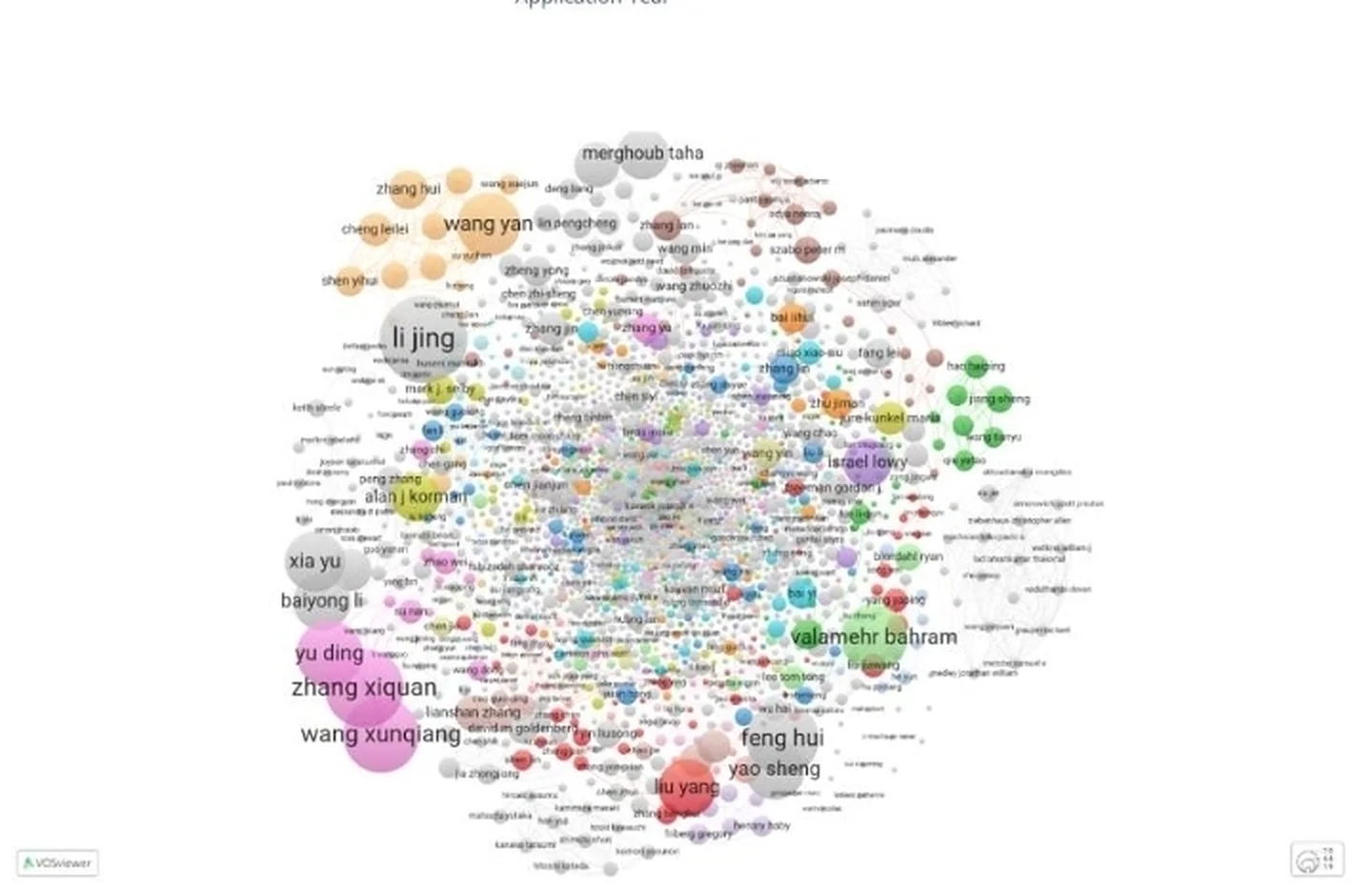
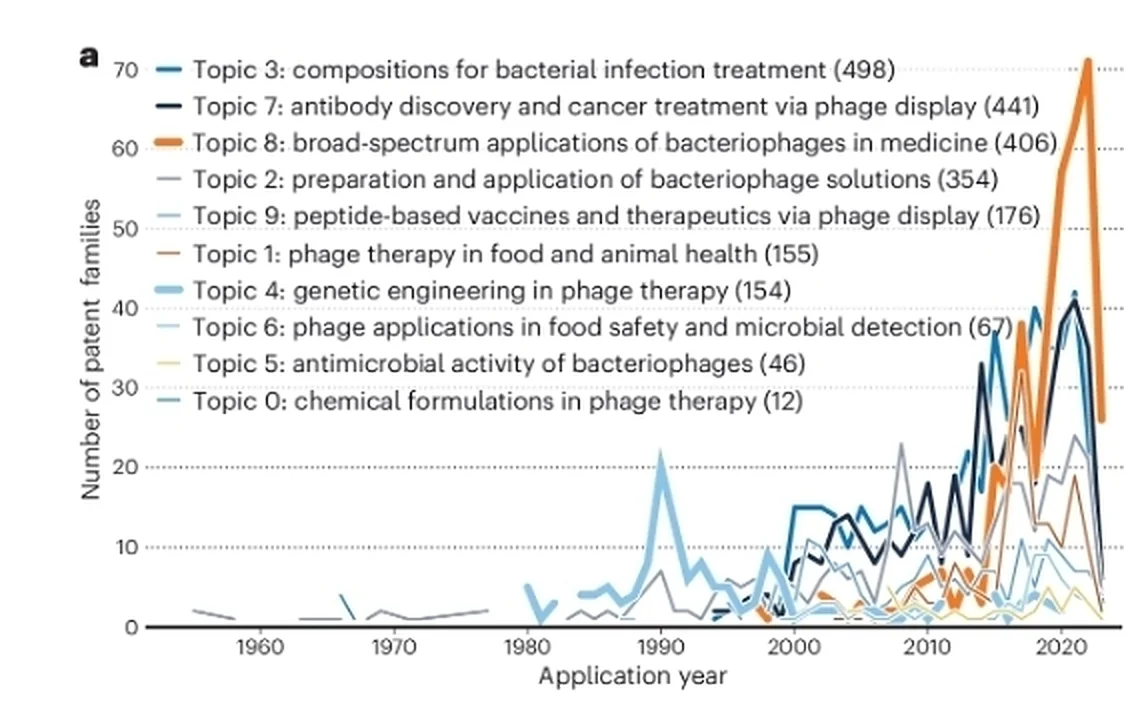
Collected 5,753 patents, merged them into 2,365 patent families, found 10 technology themes with topic modelling, and measured applicant and inventor impact in Python.
Result
First-author article in Nature Biotechnology (December 2024), with all code public.
  • Lens.org
  • Python
  • pandas
  • scikit-learn
  • NLTK
  • scispaCy

Also in this programme

Programme 2 · 1 project

Generative AI in science

How do researchers build, use, evaluate and debate generative AI?

A large, screened corpus of generative-AI research, classified one facet at a time with LLM coding that is checked against hand-coded gold standards. Current work at CognosX.

Tools used

  • Cohen's kappa
  • DeepSeek
  • Gemini
  • GPT
  • OpenAlex API
  • Parquet
  • Python
  • regex

Skills

  • Codebook design
  • Inter-rater reliability
  • LLM orchestration
  • Prompt engineering
  • Science of science
  • Screening
Ongoing work

How science builds, uses and studies generative AI

Problem
Generative-AI papers are usually counted by keyword, which mixes papers that build models with papers that only mention ChatGPT. There is no reliable picture of how the balance of building, using, evaluating and debating GenAI has shifted since 2022.
Approach
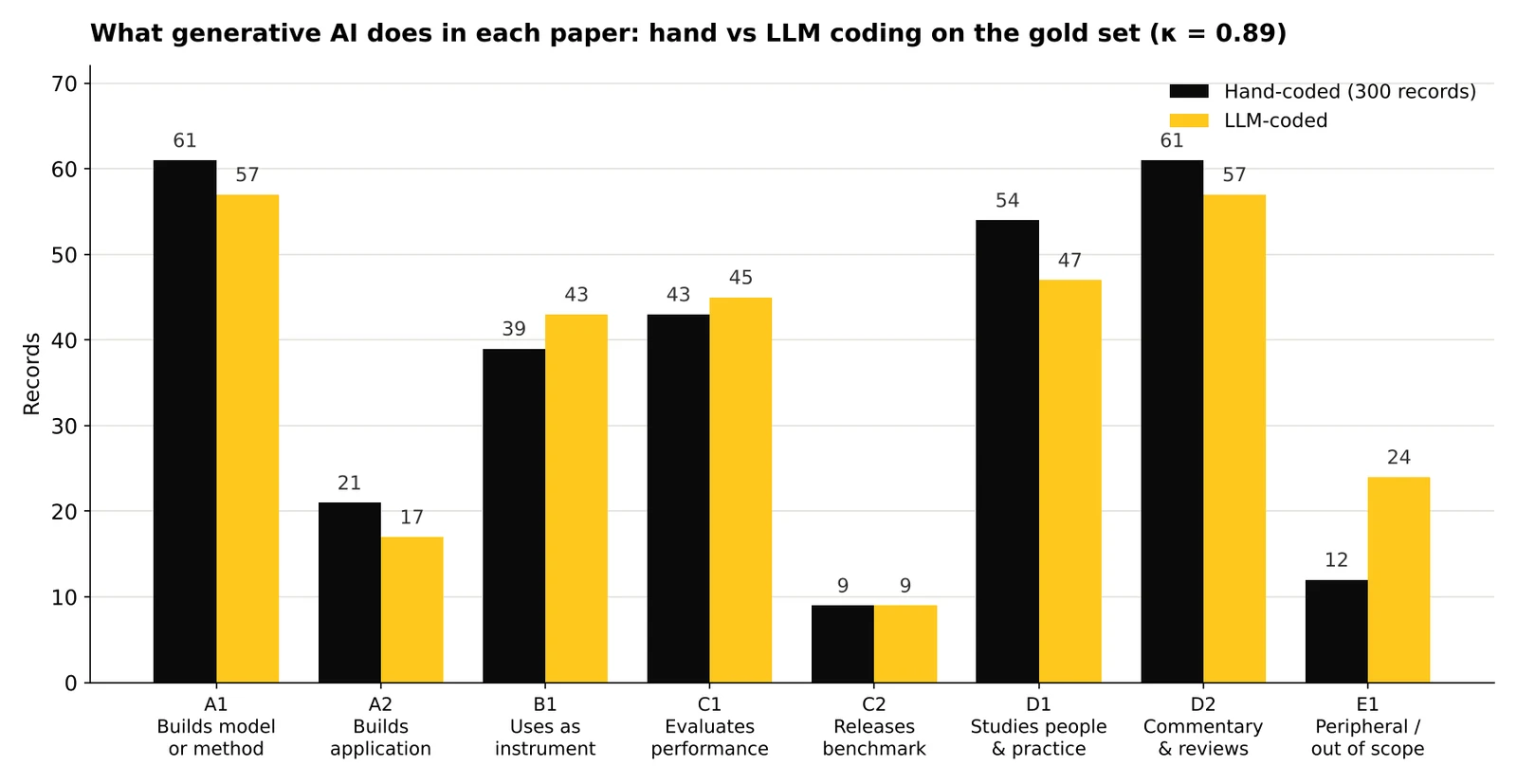
Harvested an OpenAlex corpus with GenAI concept and tool terms (2020 onward), screened every title and abstract with LLMs, and wrote a codebook for each classification facet, starting with GenAI's role in the paper, tested against hand-coded records.
Result
Facet 1, GenAI's role, agrees with 300 blind hand-coded records at κ 0.89 (91% agreement). More facets, articles on CognosX Insights and a public dashboard are in progress.
  • OpenAlex API
  • Python
  • GPT
  • Gemini
  • DeepSeek
  • Parquet
Programme 3 · 7 projects

The global preprint ecosystem

How big is the preprint world, and how can we count it reliably?

Harvesters for Crossref, DataCite and OpenAlex, rules to identify preprint servers, and public explorers built on the resulting dataset.

Tools used

  • Python×7
  • Jupyter×2
  • APIs
  • Crossref
  • Crossref API
  • DataCite
  • DataCite API
  • DOI normalization
  • OpenAlex
  • OpenAlex API
  • SQL
  • Streamlit

Skills

  • extraction×2
  • API engineering
  • API querying
  • API resilience
  • automation
  • Cursor pagination
  • dashboard
  • Dashboard design
  • Data engineering
  • data visualization
  • documentation
  • entity resolution
In preparation

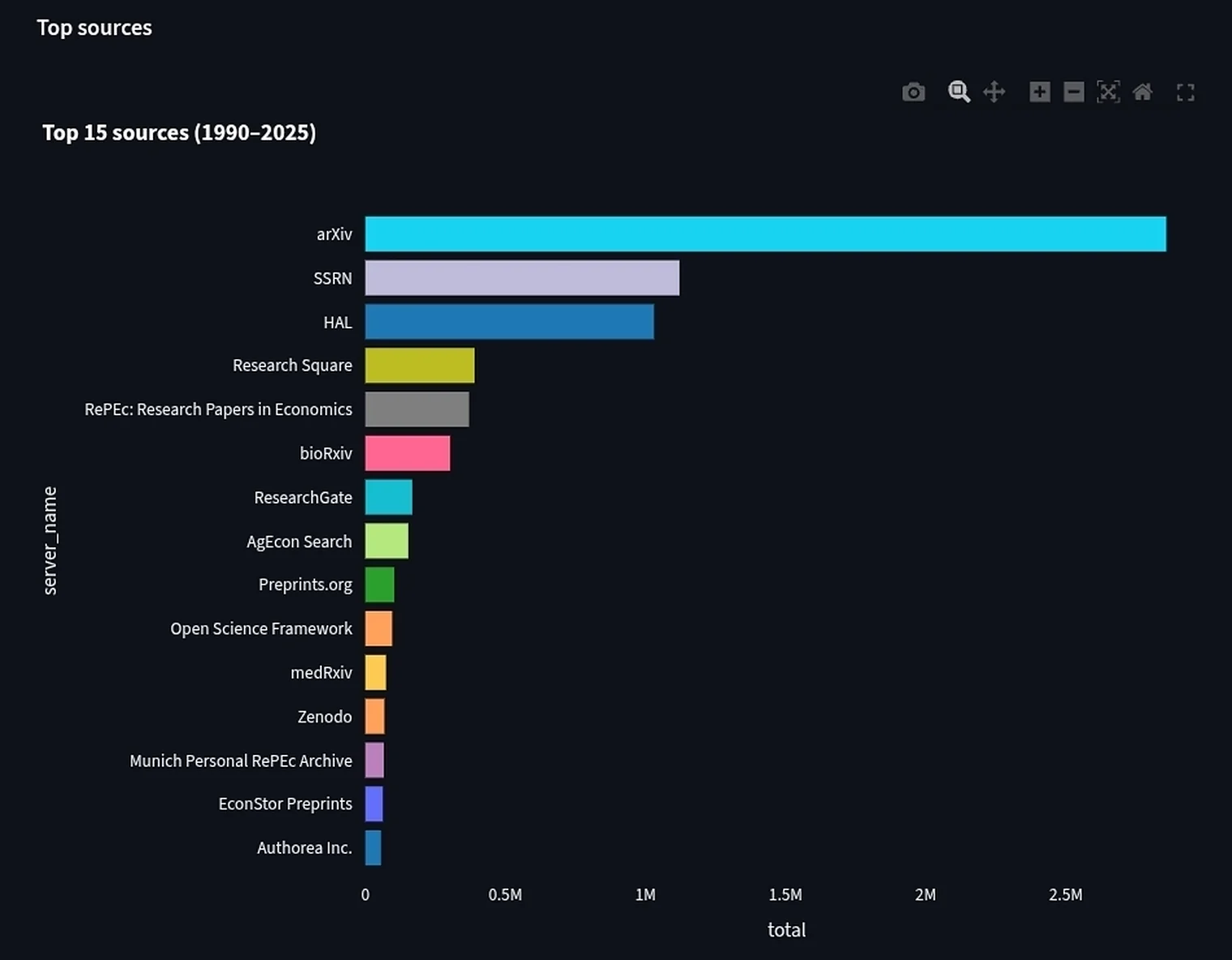
A harmonised global dataset of preprints, 1990–2025

Problem
Preprint metadata are split across Crossref, DataCite and OpenAlex, with inconsistent server names and duplicate records.
Approach
Built harvesters for each source, wrote rules to identify preprint servers, linked versions and removed duplicates.
Result
7,905,699 harvested records reduced to 7,332,492 parent records from 109 servers; dataset paper in preparation for Quantitative Science Studies.
  • OpenAlex
  • Crossref
  • DataCite
  • Python
  • DOI normalization
  • SQL

Also in this programme

Programme 4 · 2 projects

Research equity in Africa

Who gets to publish, share and lead research in Africa?

Continent-wide measures of open access, collaboration, leadership and gender in African research output.

Tools used

  • Bibliometric data
  • Jupyter
  • Python
  • Scopus
  • VOSviewer
  • Web of Science

Skills

  • equity mapping
  • gender analysis
  • Research evaluation
  • Research mapping
  • science policy
In preparation

Open access and research inequalities in Africa

Problem
Open-access policy for African research is debated with little continent-wide evidence.
Approach
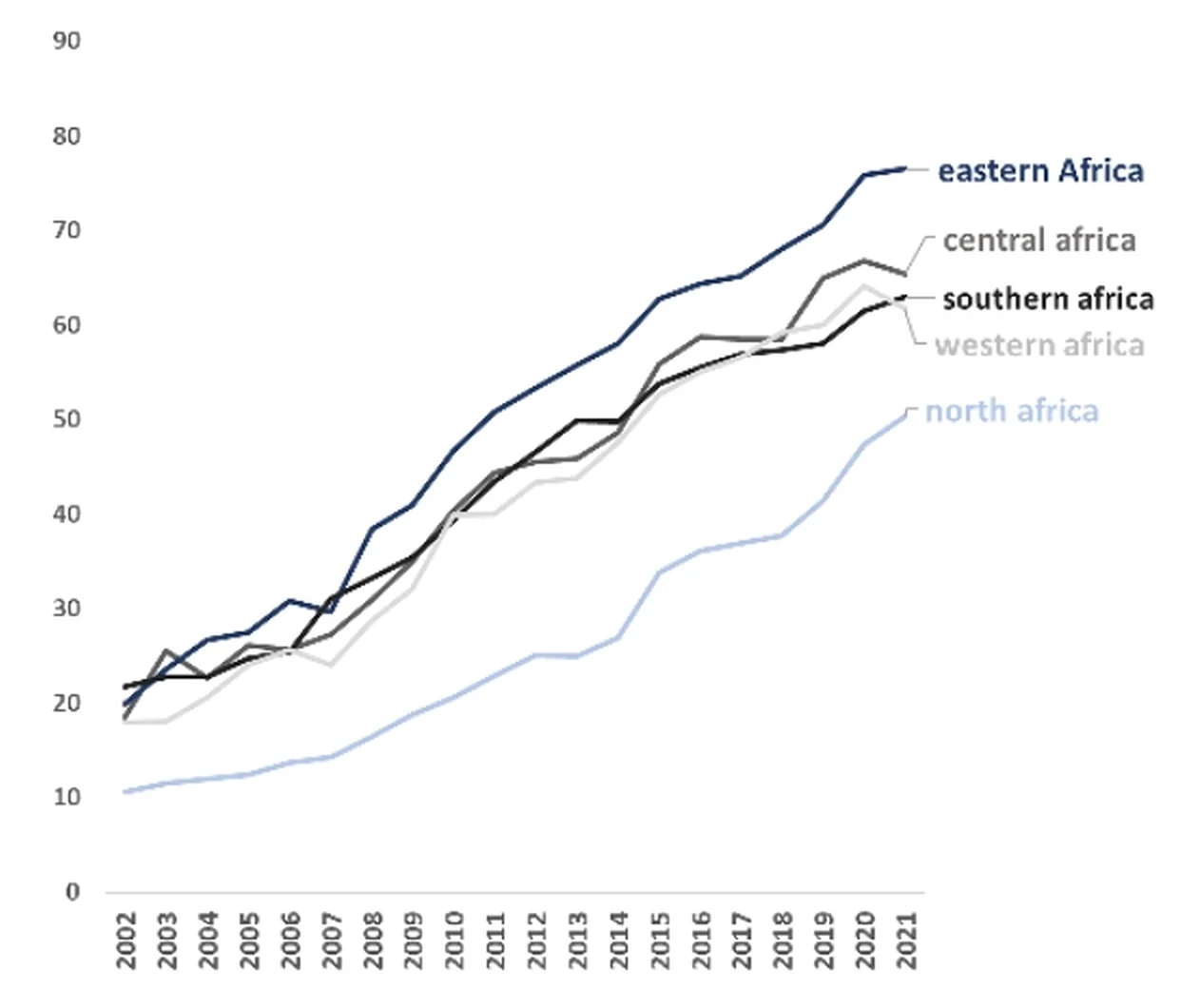
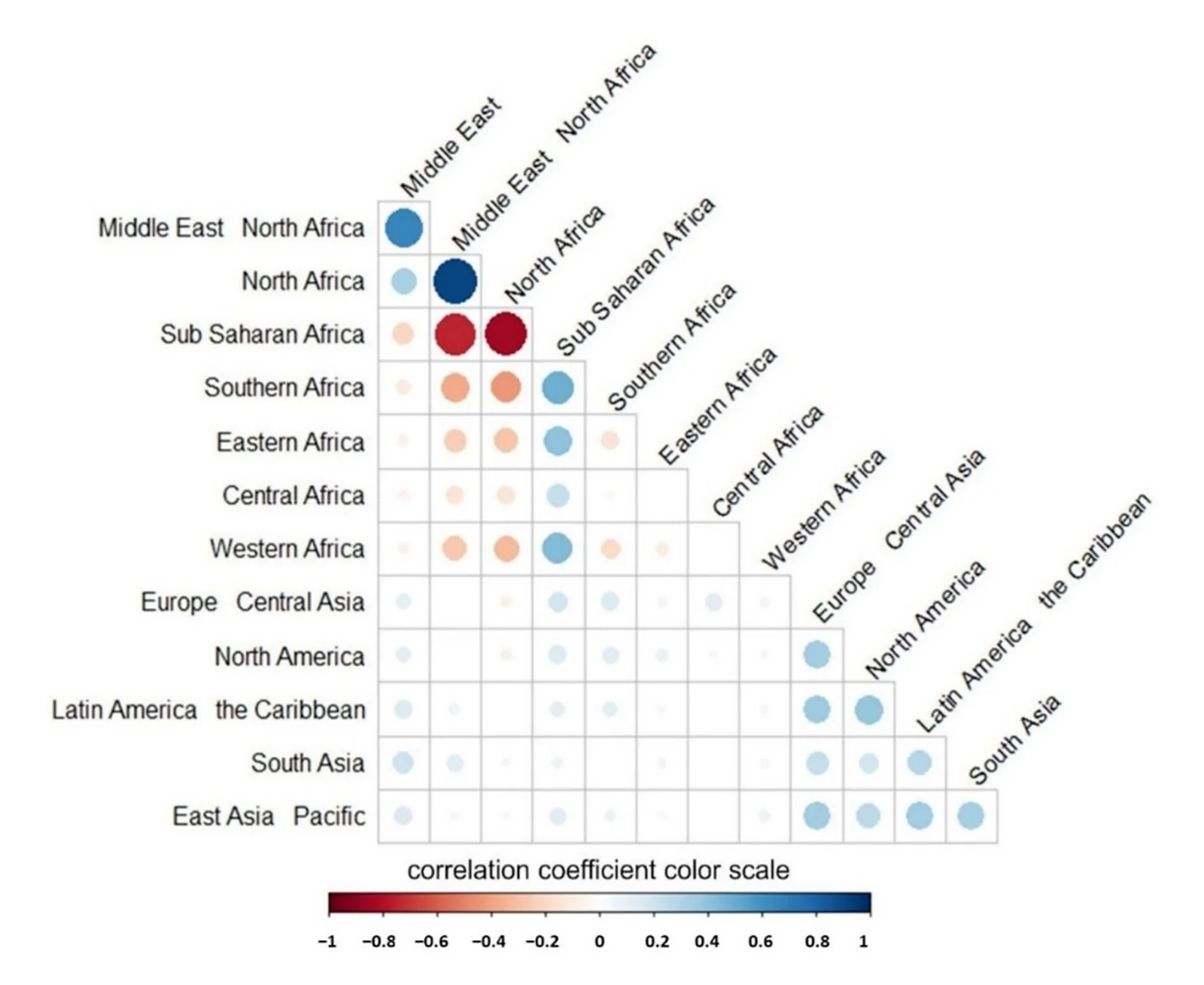
Analysed 854,785 articles published 2002–2021 by open-access route, collaboration pattern and funding, using OpenAlex and Unpaywall.
Result
Manuscript in preparation. Open articles tended to be more cited, and international collaboration drove access.
  • Scopus
  • Web of Science
  • Python
  • VOSviewer

Also in this programme

Programme 5 · 7 projects

Epidemics, surveillance and One Health

How well do research and surveillance data track outbreaks, from COVID-19 to malaria and ticks?

Studies of epidemic research output, case reporting, under-reporting and surveillance, across human, animal and environmental health.

Tools used

  • bibliometrics×2
  • Desk research
  • Epidemiological modelling
  • Excel
  • institutional datasets
  • Literature databases
  • LLM screening
  • network analysis
  • Python
  • Quantitative research methods
  • Research literature
  • Scientific metadata
  • Statistical / epidemiological methods
  • structured extraction

Skills

  • synthesis×2
  • cross-country analysis
  • equity analysis
  • Evidence synthesis
  • Institutional landscape analysis
  • NLP
  • Public health analytics
  • public health surveillance
  • Quantitative epidemiology
  • Reporting bias analysis
  • research intelligence
  • research mapping

Also in this programme

Ongoing work

RSV integrated surveillance review

Compare integrated surveillance approaches for RSV, influenza and COVID-19.

  • Literature databases
  • Excel
  • structured extraction
Ongoing work

Ticks and climate-change research mapping

Map research on ticks, climate change and tick-borne disease, with an equity lens on African research.

  • Python
  • bibliometrics
  • topic modelling
  • LLM screening
Ongoing work

One Health AI hubs mapping

Map institutions building AI capacity for One Health.

  • Desk research
  • institutional datasets
Programme 6 · 4 projects

Biotech and innovation intelligence

Which companies, inventors and technologies lead a field, and where is it heading?

Patent and publication intelligence for biotech teams and recruiters, delivered through CognosX as reports, dashboards and pipelines.

Tools used

  • Python×4
  • BERTopic
  • cuML
  • Dash
  • dashboard framework
  • DuckDB
  • embeddings
  • HDBSCAN
  • Lens.org
  • network analysis
  • NLP
  • patent data
  • scientific APIs
  • UMAP

Skills

  • Competitive intelligence
  • Consulting design
  • data cleaning
  • Data transformation
  • GPU workflow
  • interactive visualization
  • multilingual NLP
  • network mapping
  • patent mapping
  • Pipeline architecture
  • product strategy
  • stakeholder communication
Software & data

Immune-checkpoint therapy patent intelligence

Problem
A biotech recruitment firm needed to know which inventors and companies lead immune-checkpoint therapy, and where talent is emerging.
Approach
Analysed patents from Lens.org with bibliometric and network methods, and built an interactive dashboard of inventors, applicants and jurisdictions.
Result
CognosX report (February 2024) covering 3,320 patents, 9,309 inventors, 2,090 applicants and 34 countries, plus a public dashboard.
  • Python
  • dashboard framework
  • Dash

Also in this programme

Ongoing work

CognosX science intelligence

Publication, patent and funding intelligence for research teams and biotech recruiters.

  • Python
  • scientific APIs
  • NLP
  • visualization
Ongoing work

Biotech / sosci research pipelines

Reusable science-of-science pipelines for biotech topics, from corpus to topics and dashboards.

  • Python
  • DuckDB
  • BERTopic
  • cuML
Programme 7 · 2 projects

Microbes in health and disease

Which bacteria live in us, and how do they shape disease and treatment?

Culturomics and taxonogenomics of the human microbiota, from new respiratory species to the gut bacteria that affect cancer immunotherapy.

Tools used

  • Culturomics×2
  • Experimental microbiology
  • microbial culture
  • taxonogenomics

Skills

  • Biomedical interpretation
  • interdisciplinary research
  • Microbial discovery
  • phenotypic characterization
  • research writing
All 35 species I described →
Published

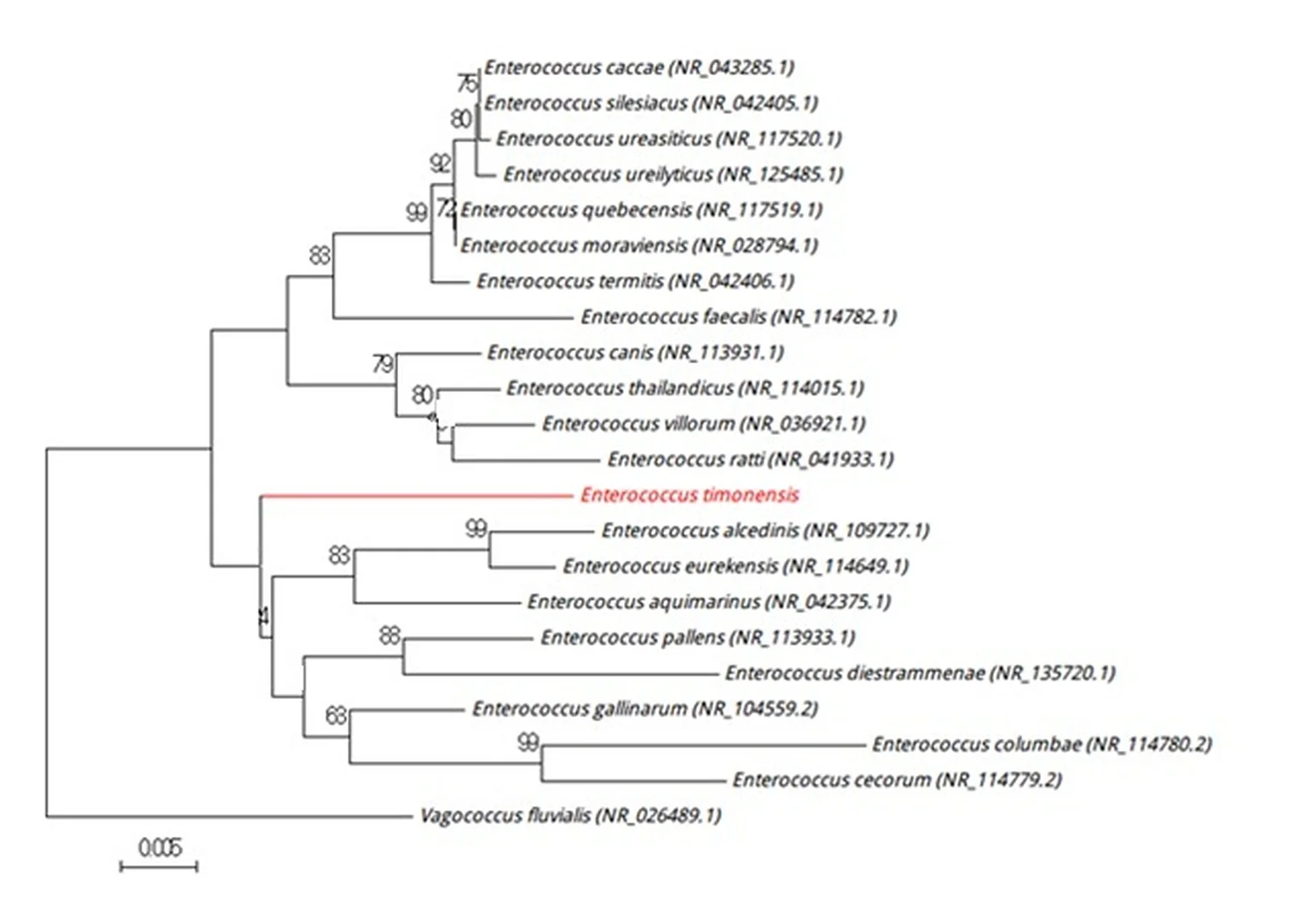
Exploring the human respiratory microbiota

Problem
Most bacteria living in the human respiratory tract had never been grown or described.
Approach
Combined culturomics with metagenomics on clinical samples, and wrote a systematic review of every bacterial species reported from the mouth and airways.
Result
35 new bacterial species described, including 5 new genera; PhD defended in November 2018.
  • Culturomics
  • taxonogenomics
  • microbial culture

Also in this programme

Tools · 4 projects

Open-source toolbox

Reusable code behind the studies, free on GitHub.

General-purpose tools for collecting, enriching, analysing and moving scholarly data.

Tools used

  • Python×4
  • Jupyter×2
  • OpenAlex API×2
  • Altmetric API
  • LDA
  • NER
  • PostgreSQL
  • TF-IDF

Skills

  • API development
  • automation
  • data acquisition
  • Database loading
  • ETL
  • keyword extraction
  • Metadata enrichment
  • Research automation
  • Text mining
  • topic modelling