From the lab
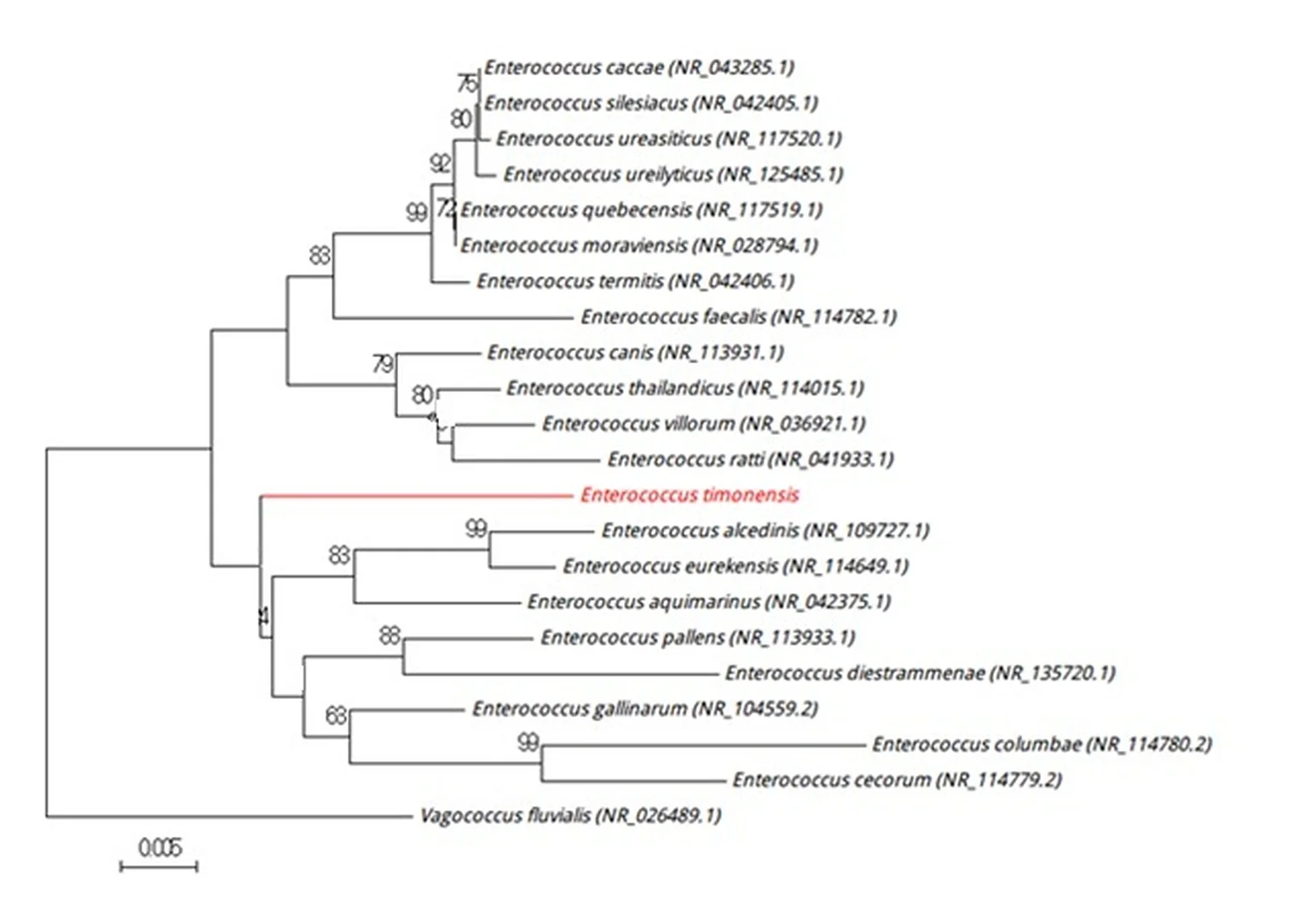
I started my career in the lab. In Yaoundé, Marseille and Paris, I studied the bacteria that live in the human respiratory tract and gut, and their links with infection and cancer. I discovered and described new bacterial species, and I loved the patience and care that this work asks for. The lab made me a rigorous scientist, and it made me curious.
Why science of science
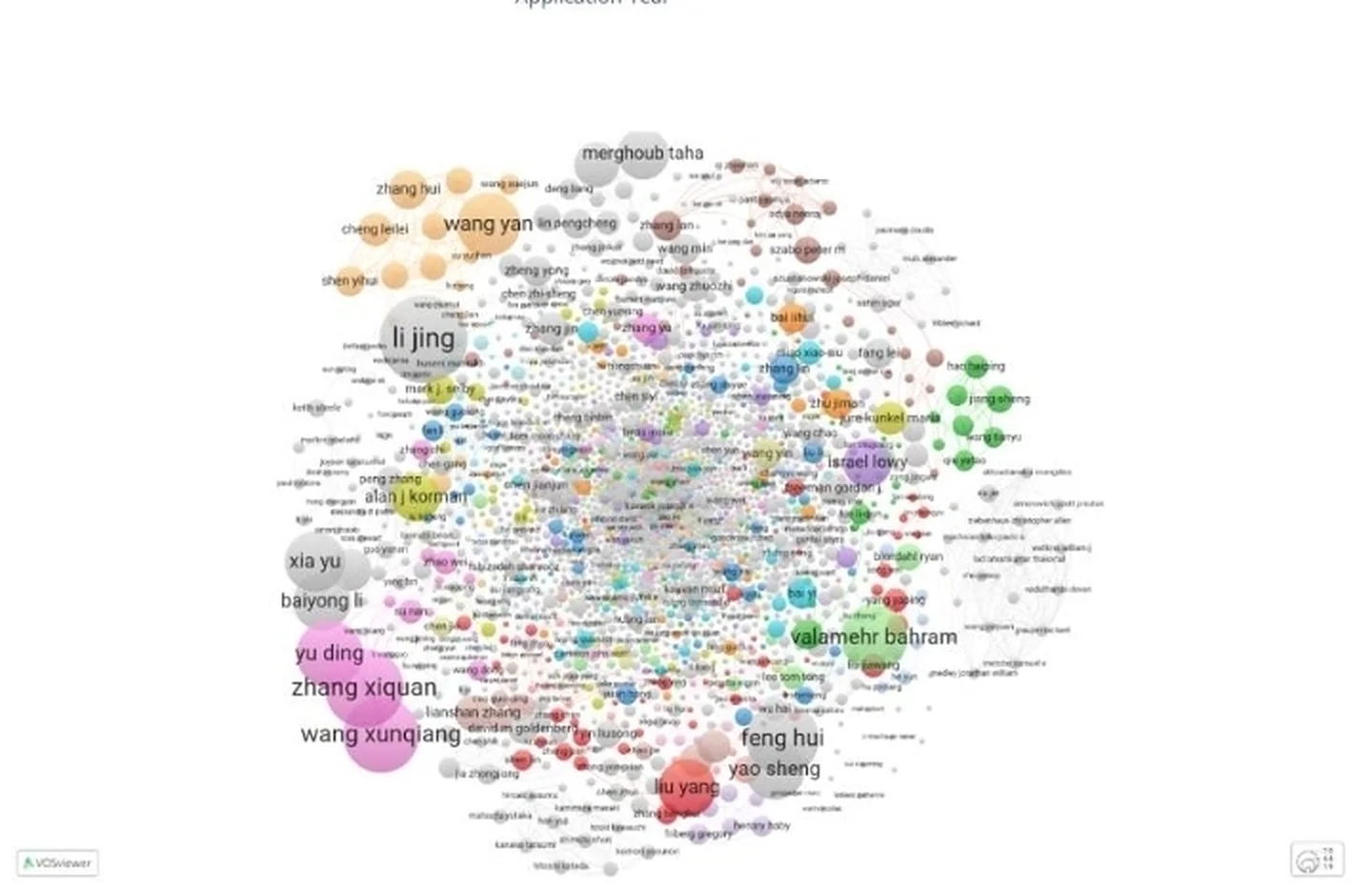
Over time, my curiosity grew. Each study was one small piece of a bigger puzzle. I wanted to see the full picture: how research is made, who does it, who works with whom, and which ideas get money and attention. So I used the same care I learned in the lab to study science itself. This brought me to Canada, to York University in Toronto and Simon Fraser University in Vancouver.
What I do
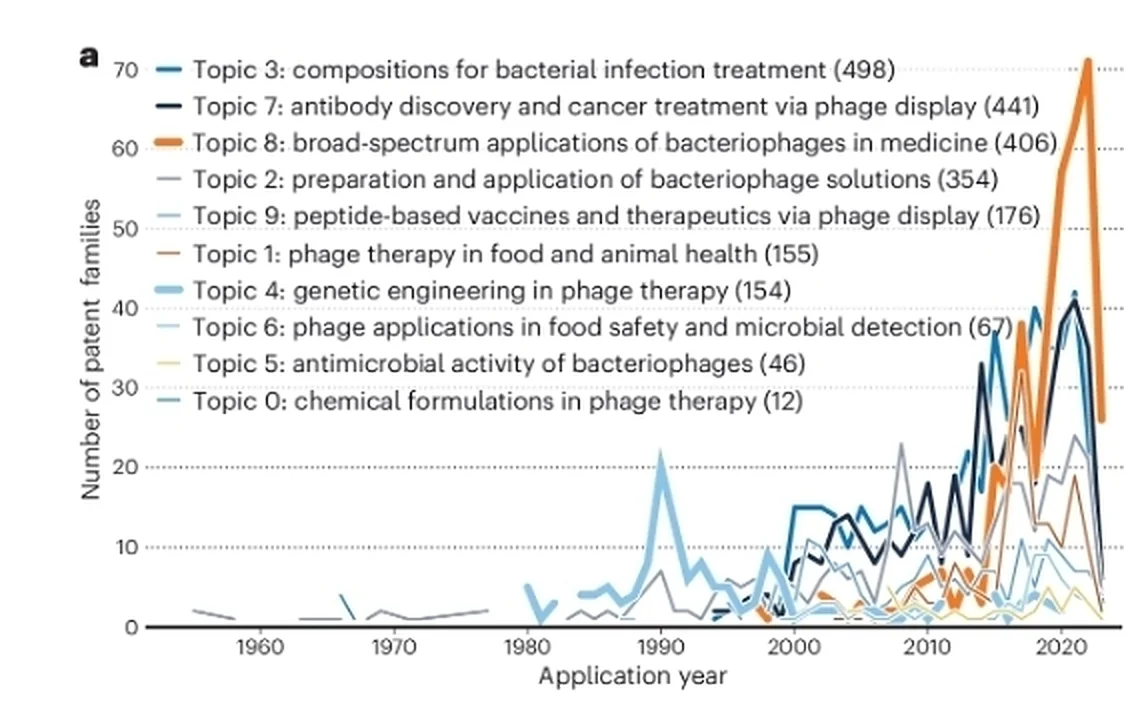
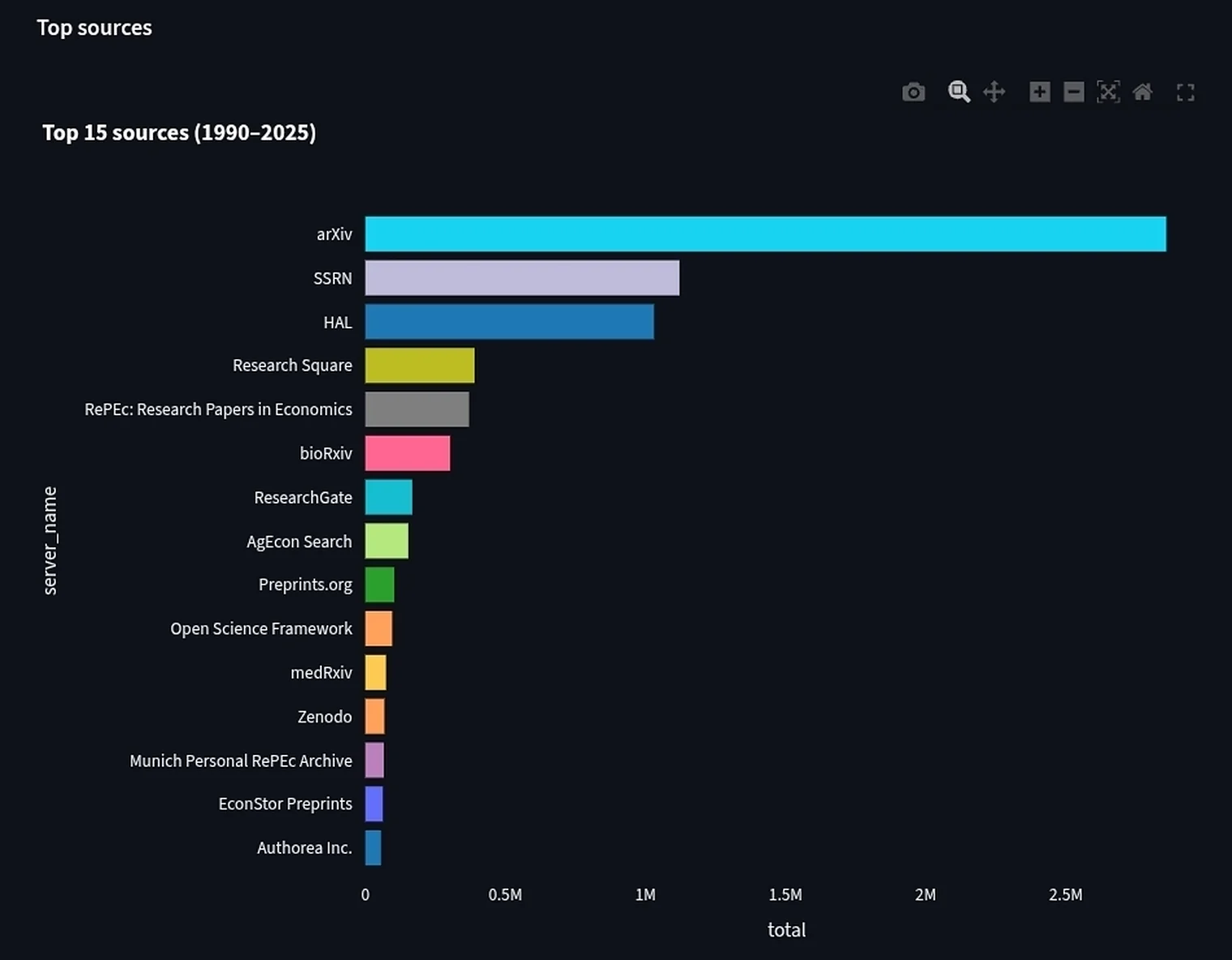
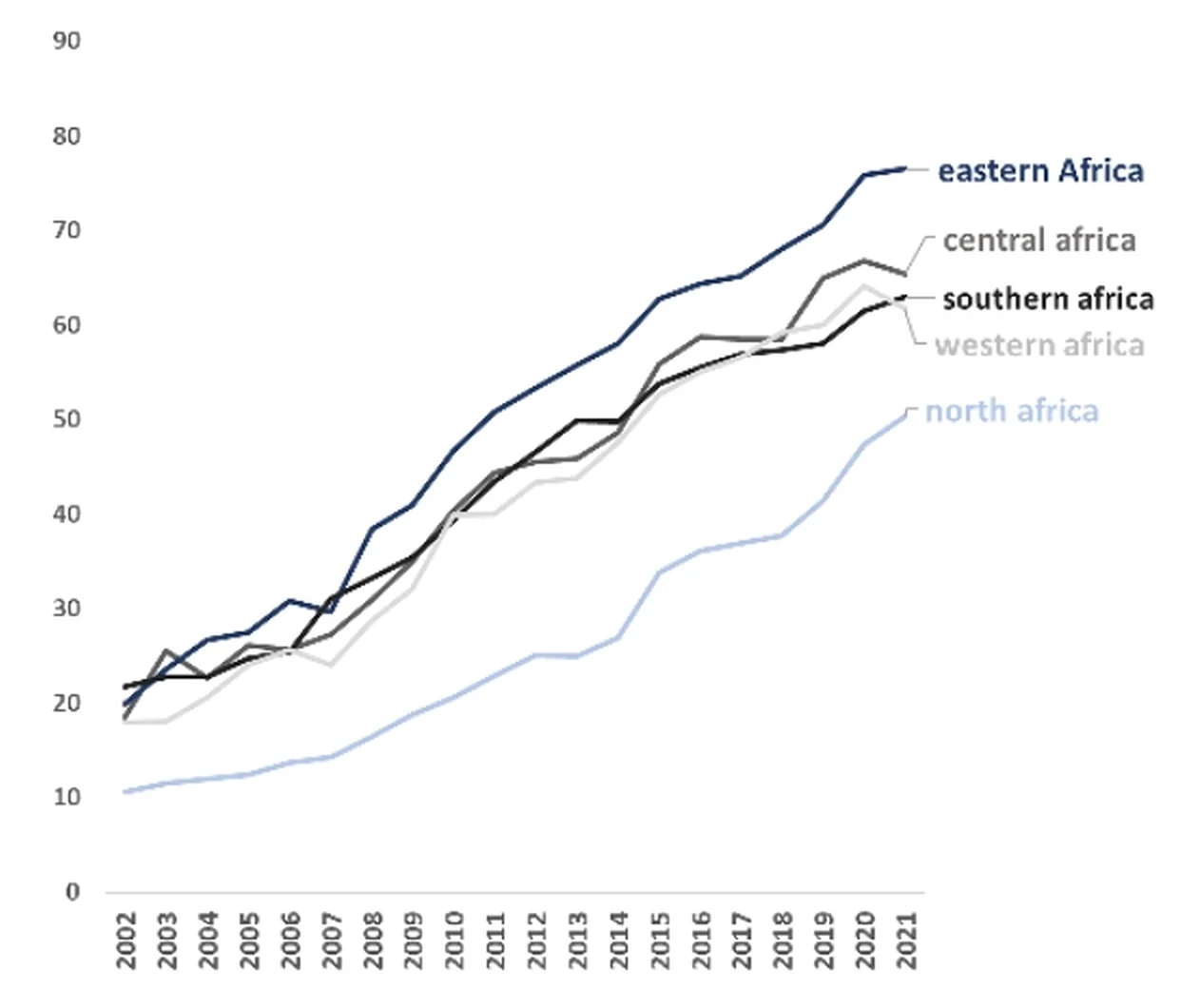
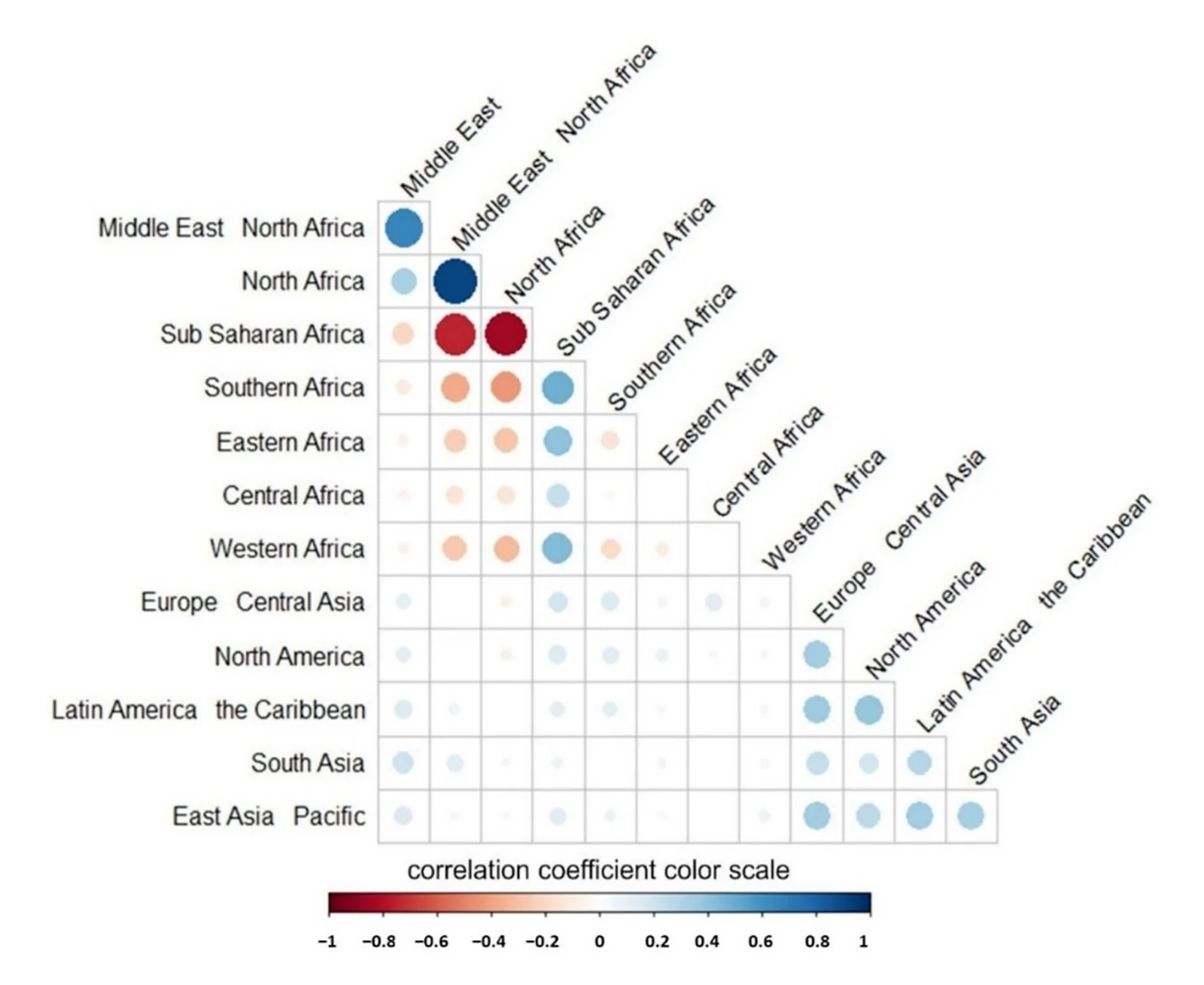
I map how researchers connect and work together. I follow ideas as they move from papers to patents to policy. I measure the gaps between countries, institutions and fields. For example, my study of phage therapy patents, published in Nature Biotechnology, showed who is turning a promising treatment into real products, and where. My work on preprints shows how quickly new research is shared around the world, and who is still left behind.
Why it matters
These patterns show who gets heard in science, and who does not. When research teams, funders and biotech organisations can see where a field is going, what is missing and who is left out, they can put their time and money where it matters most. I share this work through CognosX.
What's next
My goal is a fairer and more connected research world. I want good science from Africa and other less visible places to be seen, and evidence to reach decision-makers in time to make a difference. I speak English and French, and I'm always happy to connect. My approach is simple: let science data speak.